Best Shop Signs Ideas for Small Businesses to Boost Sales?
In the competitive landscape of small businesses, effective branding can make all the difference. Shop signs play a pivotal role in this equation. They are often the first impression potential customers have of your store. A unique design can attract attention and invite curiosity.
Consider how a well-crafted shop sign can convey your brand’s personality. Bright colors or quirky fonts can stand out. However, simplicity is equally powerful. An elegant, clear sign can communicate professionalism. Finding a balance is crucial; too much clutter can confuse customers.
Many small businesses overlook the importance of their shop signs. They settle for generic designs or locations that don't catch the eye. Reflect on your current sign. Is it making the impact you desire? Reassessing your approach could lead to better foot traffic and, ultimately, higher sales.
Creative Design Elements for Effective Shop Signs
Creative design elements play a vital role in shop signage. Effective signs can capture attention and drive foot traffic. According to a study by the Sign Research Foundation, approximately 76% of consumers enter a store based on its signage alone. This emphasizes the need for innovative designs that resonate with potential customers.
Colors are crucial in sign design. Bright, bold colors attract more attention but must align with the brand image. An eye-catching combination can improve visibility by up to 80%. Fonts also matter; using clear, easy-to-read typography helps communicate messages quickly and effectively. Mixing different font sizes can create a hierarchy of information, leading customers to essential details.
Additionally, incorporating local culture into shop signs can enhance customer connection. A sign that reflects local heritage can foster loyalty. However, signs that are too complex or cluttered may confuse rather than attract. It's essential to strike a balance. Reflecting on past sign decisions can provide insights for improvement. Evaluating the effectiveness of current signage on sales may reveal areas needing adjustment.
Sales Increase by Shop Sign Types
Choosing the Right Materials for Long-Lasting Signage
Choosing the right materials for your shop signs can significantly impact their longevity and effectiveness. Signs made from durable materials like aluminum, acrylic, or high-density foam can withstand the elements better than cheaper options. Rain, sunlight, and wind can quickly wear out low-quality signs. This is a critical consideration if your business is located in an area with harsh weather conditions.
Consider the environment where your sign will be placed. Are there extreme temperatures? If so, vinyl banners may fade quickly. Wood can look charming, but it can rot or warp over time. It's essential to reflect on your specific situation before settling on a material. Experimenting with different finishes can also add a unique touch.
When creating a sign, think about how it will be viewed from a distance. Larger letters or simple designs are usually more effective. Remember, messy designs can confuse potential customers. Choose colors that stand out but also complement your brand. This can be tricky and may require several revisions. Creating the perfect shop sign is a process of trial and error, and not every choice will be a winner.
Strategic Placement: Where to Position Your Shop Signs
Strategic placement of shop signs is essential for small businesses. A well-placed sign can attract customers and boost sales. Consider positioning your signs at eye level. This is where most people look when walking.
Tips: Use contrasting colors to make your sign stand out. A bright red sign can grab attention against a neutral background. Ensure your text is readable from a distance. It’s a simple way to communicate your message quickly.
Also, consider high-traffic areas for your signs. Placing signs near the entrance can guide customers in. However, avoid cluttering sidewalks or doorways. Reevaluate your placements regularly. What worked last season may not work now.
Tips: Test different positions. Sometimes, moving a sign just a few feet can make a difference. Take notes on customer traffic patterns. This can inform future changes. Keep experimenting until you find the best spots.
Incorporating Branding for Enhanced Customer Recognition
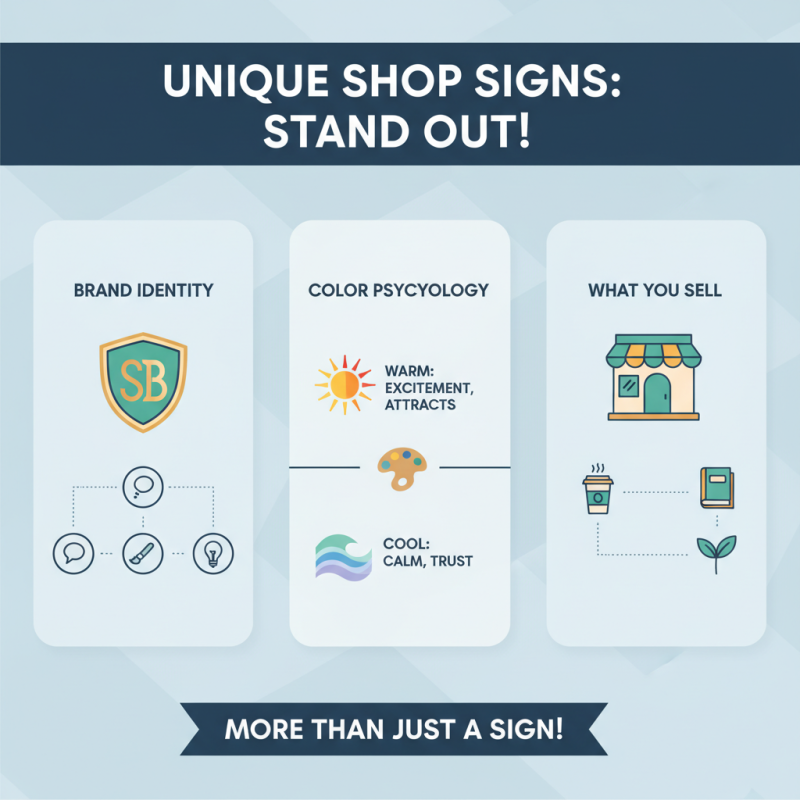
Creating a unique shop sign is crucial for small businesses aiming to stand out. It’s not just about aesthetics; it embodies your brand’s identity. Using colors that represent your business can draw customers in. A vibrant sign can evoke excitement, while softer tones can create a feeling of calm. The right combination often reflects the essence of what you sell.
Incorporating your logo is essential for brand recognition. A well-placed logo can be memorable, making it easier for customers to recall your business. Simple fonts and clear imagery work best. Complicated designs might confuse potential buyers. Consider the location of the sign as well. If placed high or in a crowded area, it may go unnoticed.
Testing different designs could offer insights that lead to improvement. Perhaps, your sign looks appealing, but it fails to connect with the audience. Gathering feedback from passersby can be enlightening. They might see aspects that you miss. Small tweaks can significantly enhance visibility and engagement. Ultimately, your shop sign is often the first impression for customers, so make it count.
Utilizing Digital Signs to Engage Modern Consumers
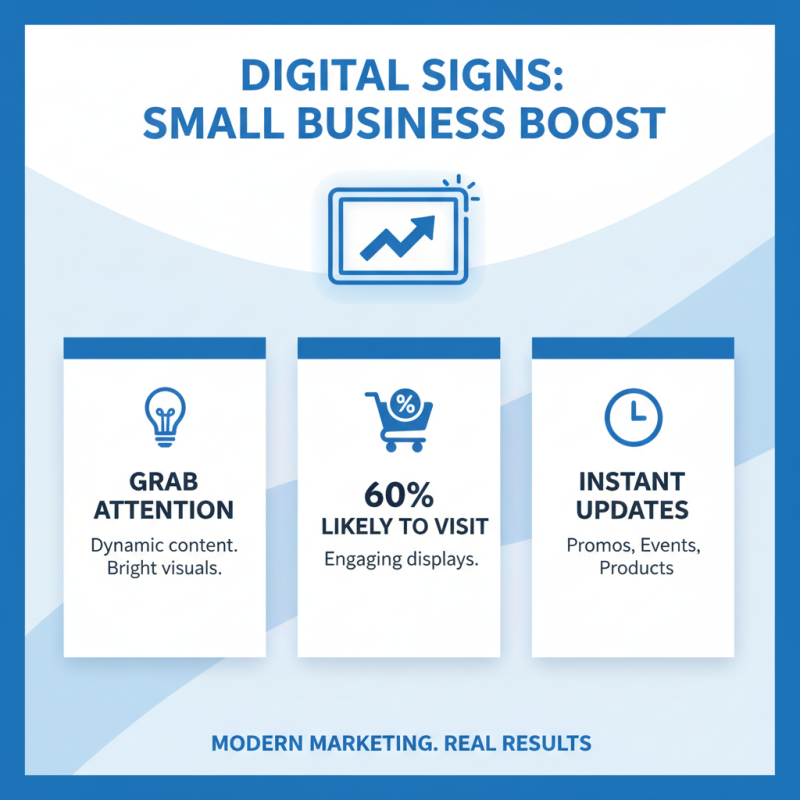
Digital signs are transforming the way small businesses attract customers. These signs can quickly display promotions, events, or new products. Studies show that around 60% of consumers are more likely to visit a store with engaging digital displays. This modern approach to marketing captures attention effectively. Bright visuals and dynamic content create a memorable experience.
Businesses must consider content strategy for these signs. Regularly updated information is vital. However, not all businesses manage to update their displays frequently. In fact, a report indicates that about 30% of digital signage content remains stale for long periods. This lack of freshness can lead to lower engagement levels. To combat this, businesses should create a content calendar. This ensures timely updates and keeps the audience interested.
Engaging with modern consumers requires a blend of creativity and technology. Digital signs should reflect current trends and customer interests. Unfortunately, some signs fail to resonate with local audiences. Tailoring the message can make a significant difference. A vibrant, relevant display can improve foot traffic, while a generic one may lead to missed opportunities.