




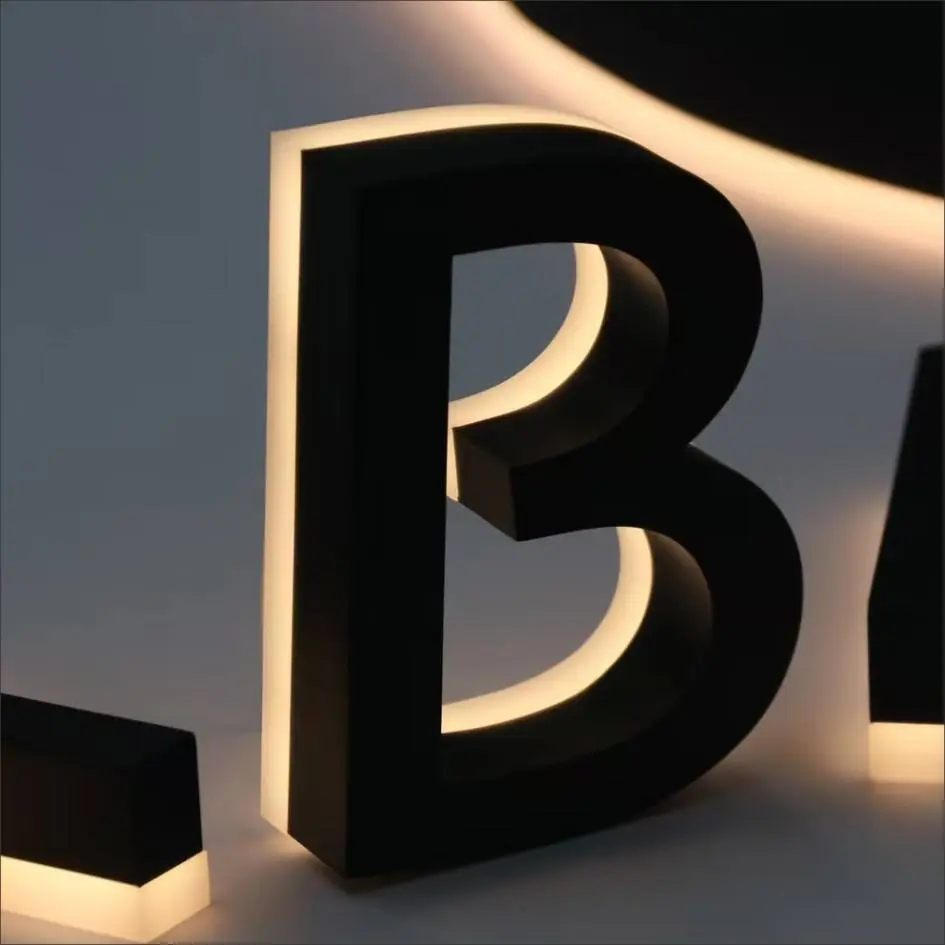

Led Backlit Letter Sign Outdoor 3D Illuminated Acrylic Led logo
How It Actually Works
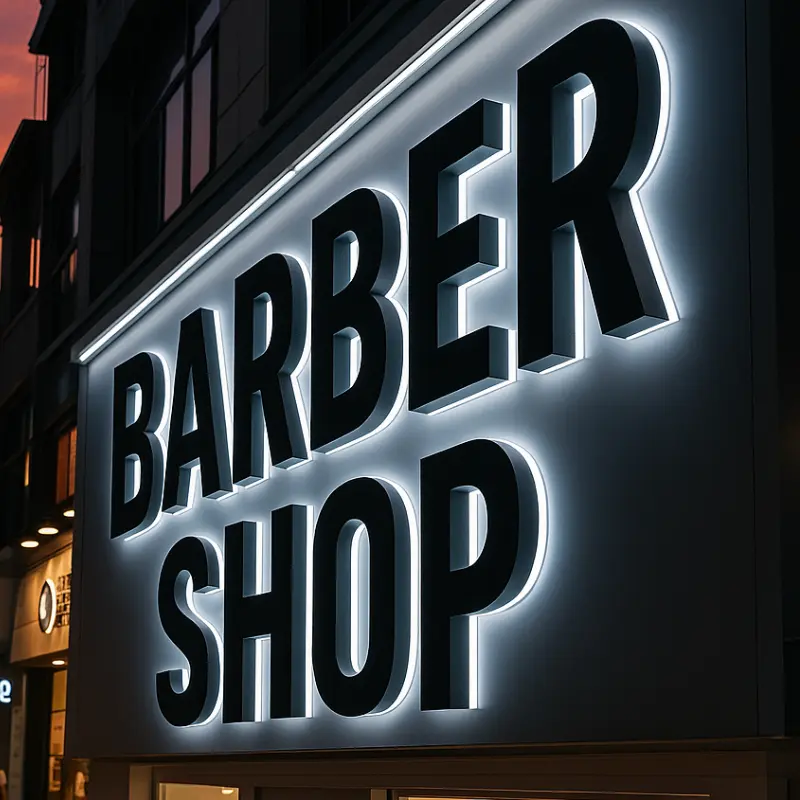
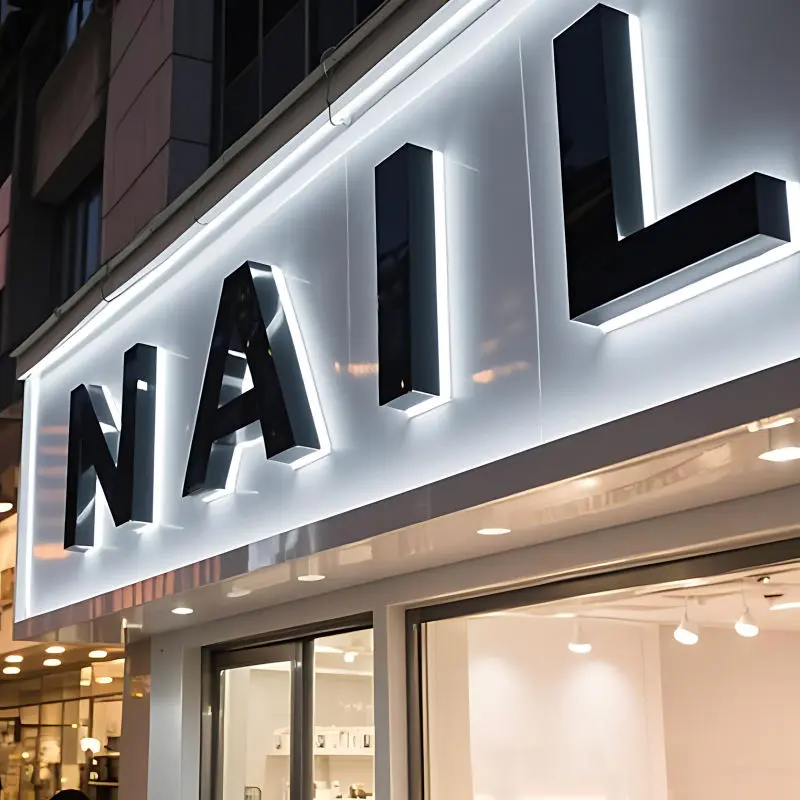
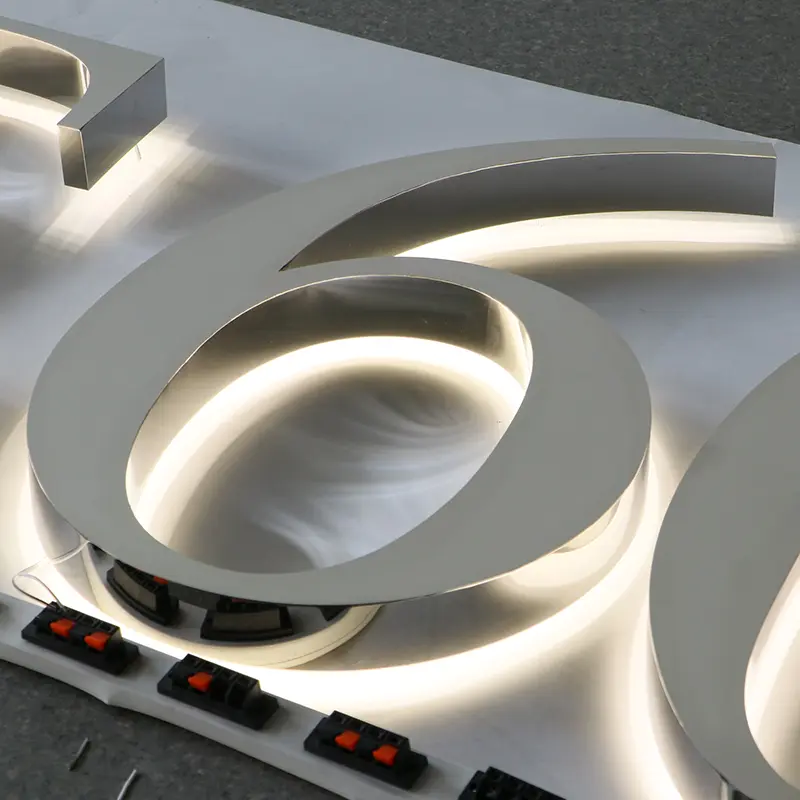
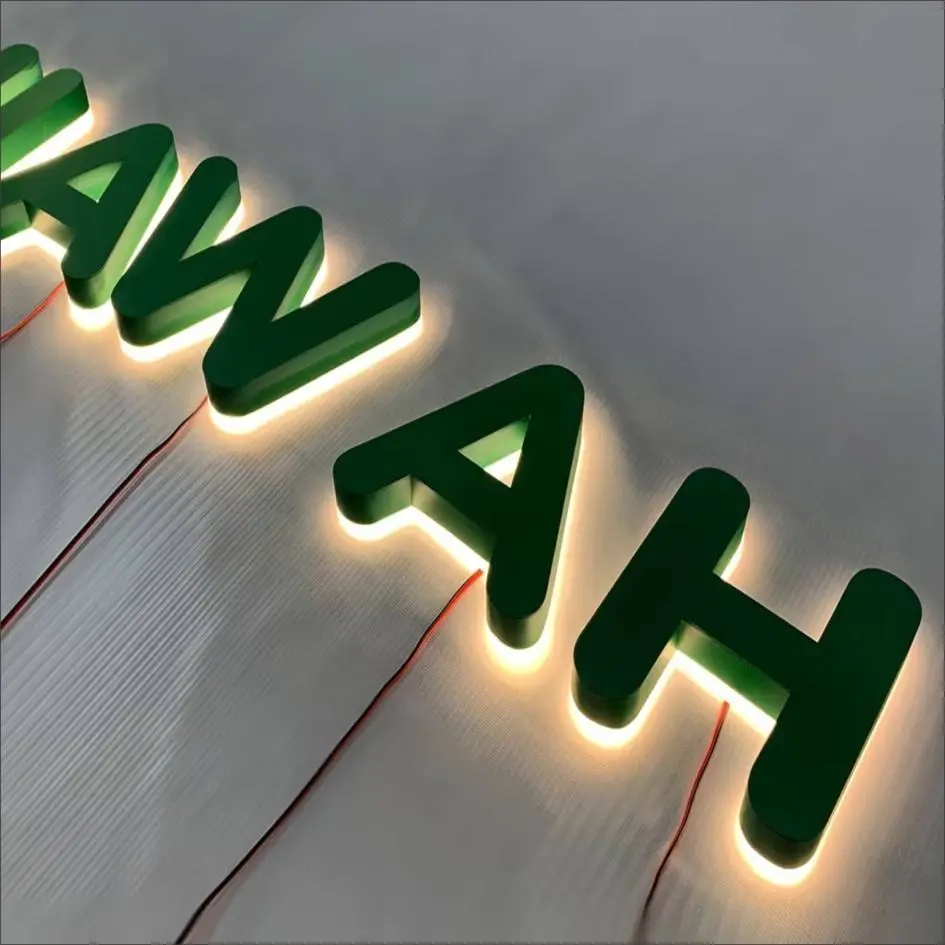
LED strips inside each letter aim at your wall instead of facing out. Light hits the surface and reflects back to form that halo. The gap between letter and wall - about one to two inches - has to match perfectly on every letter or you get weird bright and dark spots.
Your wall matters more than you'd think. Smooth painted walls give clean even glows. Damaged walls, peeling paint, or rough texture? Light scatters everywhere and looks terrible. Wall fixes usually aren't in the base price and can tack on 800−800−2,500 depending on what's wrong.
Daytime shows metal letter shapes on your building. Nighttime brings out the halo, though it's way less bright than frontlit signs. Works great on slower streets and shopping areas where people actually look around. Highways or packed commercial zones with tons of competing lights? The subtle glow gets buried.
What Separates Good from Garbage
Decent backlit letters use aluminum about 0.080 inches thick. That thickness keeps letters straight and holds the wall spacing steady. Thin metal warps when temperatures swing and weather hits it, messing up the gap and killing the lighting.
Commercial LEDs rated 100,000+ hours last around ten to fifteen years running every night. Proper airflow stops heat from cooking the LEDs or creating hot spots. You can't tell quality until you see them lit at night - good signs show smooth halos with even brightness, cheap ones have bright blotches, dark patches, and uneven glow.
Finishes and Colors
Brushed aluminum looks modern and hides fingerprints. Painted faces match brand colors - darker shades pop better against the white glow at night. Powder coating lasts longer and gives texture options.
Most people go with white LEDs. Warm white gives softer glow for restaurants and hotels. Cool white looks sharper for offices and medical places. Colored halos are possible but lock you in if you rebrand.
Case Picture