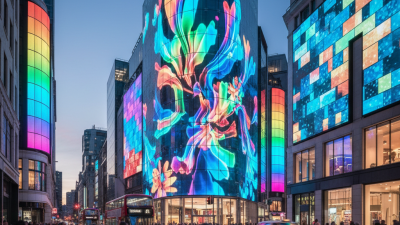
Global buyers are entering 2026 with stronger demand for visible, flexible, and measurable brand communication. Led Signs now serve airports, retail stores, hotels, campuses, and roadside locations. Their value extends beyond brightness. Buyers must consider viewing distance, pixel pitch, weather exposure, service access, energy use, and content control.
Industry forecasts show sustained market momentum. MarketsandMarkets estimates the digital signage market will grow from approximately $27.1 billion in 2024 to $43.4 billion by 2029. Grand View Research reports a similar expansion, although its market definition and forecast period differ. This difference matters. Digital signage includes LCD systems, software, and infrastructure, not only LED products. Fortune Business Insights also identifies continued growth in the broader LED display sector through 2030. These reports support opportunity, but they should not replace product-level verification.
A reliable 2026 buying guide must connect market data with practical field experience. A high-brightness display may perform well in direct sunlight, yet consume more power. Fine pixel pitch can improve close-range clarity, but it usually raises the initial budget. Weatherproof cabinets, redundant power supplies, remote monitoring, and accessible modules can reduce operational disruption. Regional certifications, warranty terms, spare-part availability, and CMS compatibility also deserve careful review. No perfect shortlist exists. Reported growth rates vary because researchers measure different segments. That uncertainty is useful. It reminds global buyers to compare real specifications, installation conditions, lifecycle costs, and supplier support before choosing Led Signs.
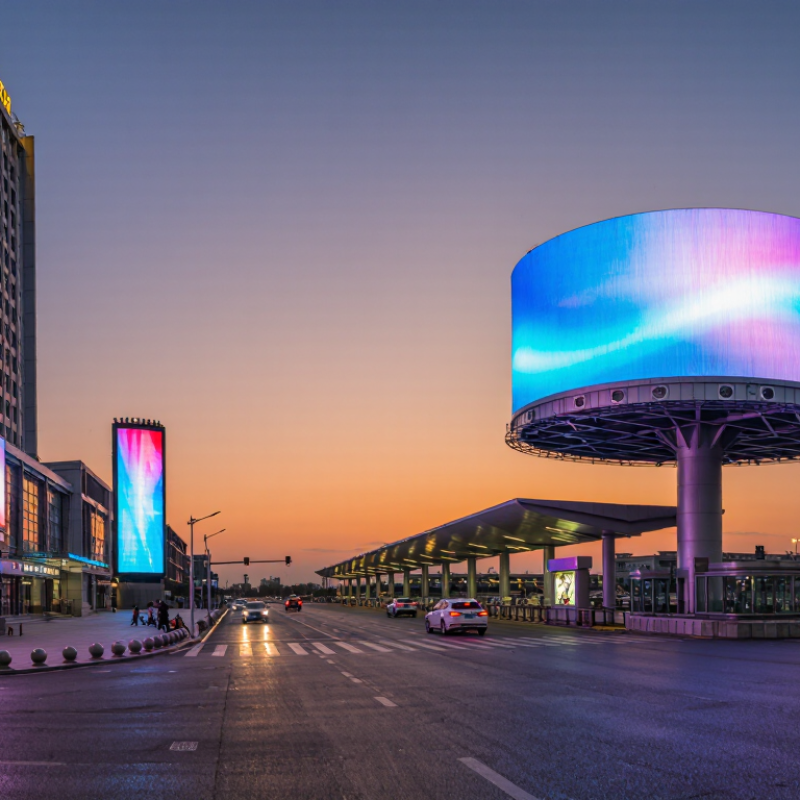
LED signs are electronic display systems made from light-emitting diodes. They show text, images, prices, schedules, and motion graphics with strong visibility. Unlike printed boards, they can change messages within seconds and support multiple languages. Their value begins with communication, not decoration. For a global business, clear information can reduce confusion across airports, retail spaces, hotels, and trade events. Visibility matters.
In real installations, screen performance depends on more than brightness. Viewing distance, pixel spacing, weather protection, ventilation, and control software all affect readability. An outdoor sign needs suitable protection against rain, dust, heat, and temperature changes. Color accuracy also matters when a message must look consistent across countries. Content tools should support time zones, local languages, and remote updates. Small details matter. Electrical compatibility and safety documentation should be checked before purchase.
A practical buying process includes viewing test content from the intended distance. Request measurements, maintenance guidance, warranty terms, and replacement-part information. Ask how quickly the display can recover after a module failure. One warning: maximum brightness is not always the best choice. It can increase energy use and create uncomfortable glare. A common mistake is focusing on the screen while ignoring installation access. That shortcut can raise long-term costs. Reliable signs require clear specifications, careful testing, and honest attention to operating conditions.
LED signs typically provide a much longer rated service life than other common sign-lighting technologies. This can reduce replacement frequency, maintenance interruptions, and operating complexity across retail, hospitality, transport, and commercial locations worldwide. Actual performance depends on installation quality, operating hours, temperature, power stability, and environmental protection.
Data shown are representative typical rated-life figures commonly used for general lighting comparisons; actual product specifications vary by application and manufacturer.
For 2026, global business buyers should match LED sign types to the viewing situation, not simply choose the brightest screen. Storefronts usually benefit from compact full-color LED displays. They can show opening hours, promotions, and clear directional messages. Fine pixel pitch improves close-up readability. However, excessive brightness can make a small entrance look harsh.
Roadside businesses need larger outdoor LED billboards with wider viewing angles. High brightness supports daylight visibility, while weather-resistant cabinets protect against rain, dust, and temperature changes. Keep messages short. Drivers have only seconds to read them.
Shopping centers and transport hubs may need indoor video walls or ticker displays. These formats suit announcements, schedules, product launches, and moving content. A tighter pixel pitch helps viewers standing several meters away.
Restaurants often use modular menu boards, while clinics and offices may prefer simple monochrome or two-color signs. Transparent LED screens can cover glass without blocking all natural light. They look attractive, but installation and maintenance can be more demanding.
Distance matters. So does service access. Field assessments often reveal an overlooked issue: the best screen can still fail when replacement modules are difficult to source locally. Buyers should check power consumption, control-system compatibility, spare parts, installation support, and local safety requirements.
No option is perfect. A lower-cost display may create higher maintenance costs later. A practical test with real content, viewed at the intended distance, can expose weak contrast, small text, or distracting motion before purchase.
2026 Best LED Signs for Global Business Buyers?
Brightness, resolution, energy use, and lifespan should be compared together, not separately. Outdoor signs often need 5,000–10,000 nits under direct sunlight, while indoor displays may perform well below 1,500 nits. Excess brightness wastes power and can reduce viewing comfort. The U.S. Department of Energy’s 2023 Solid-State Lighting R&D Opportunities report notes that advanced LED packages can exceed 150 lumens per watt in laboratory conditions. Real signs usually achieve less. Installation design matters.
Resolution depends on pixel pitch. A 3 mm pitch can show sharp text at closer viewing distances, while a 10 mm pitch may suit highways and large façades. Measure the nearest audience, not only the screen size. This is where buyers often make an expensive mistake. Bigger is not always clearer.
Energy use should be checked in watts per square meter at typical brightness, not maximum brightness. Ask for daytime and nighttime measurements. IEC 62717 supports evaluating LED module performance through L70 lifetime ratings, meaning the time until output falls to 70% of its initial level. A claimed 100,000-hour rating may depend on temperature, current, and ventilation. In my field experience, poor cooling damages reliability faster than expected. Maintenance access also changes the real lifespan. A difficult repair is an energy cost, too.
| LED Sign Category | Typical Pixel Pitch | Typical Brightness | Resolution Density | Recommended Viewing Distance | Typical Average Power Use | Estimated Service Life | Best Application | Main Buying Consideration |
|---|---|---|---|---|---|---|---|---|
| Indoor Fine-Pitch LED | 1.2–1.8 mm | 600–1,200 nits | 556,000–694,000 pixels/m² | Approximately 1.2–1.8 m or more | 180–350 W/m² during typical content | 80,000–100,000 hours to approximately 50% initial brightness | Boardrooms, control rooms, retail interiors, museums and premium showrooms | Pixel pitch, close-range image quality, low-brightness uniformity and front service access |
| Indoor Standard-Pitch LED | 2.5–3.9 mm | 800–1,500 nits | 65,700–160,000 pixels/m² | Approximately 2.5–3.9 m or more | 160–320 W/m² during typical content | 80,000–100,000 hours to approximately 50% initial brightness | Shopping centers, airports, conference venues and indoor advertising | Balance between image detail, viewing distance, purchase cost and operating power |
| Outdoor High-Brightness LED | 4–6 mm | 5,000–8,000 nits | 27,800–62,500 pixels/m² | Approximately 4–6 m or more | 300–700 W/m² at typical content; higher at full white | 80,000–100,000 hours to approximately 50% initial brightness | Building façades, roadside advertising, transport hubs and outdoor events | Sunlight readability, automatic brightness control, weather sealing and thermal management |
| Outdoor Long-View LED | 8–10 mm | 5,000–8,000 nits | 10,000–15,600 pixels/m² | Approximately 8–10 m or more | 250–550 W/m² at typical content | 80,000–100,000 hours to approximately 50% initial brightness | Large billboards, stadium perimeters and distant-view commercial signage | Long-distance legibility, structural loading, wind resistance and lower cost per display area |
| Transparent LED Mesh | 6–15 mm | 3,000–6,000 nits | 4,400–27,800 pixels/m² | Approximately 6–15 m or more | 150–400 W/m² at typical content | 60,000–100,000 hours, depending on installation and exposure | Glass façades, storefront windows and architectural media displays | Transparency percentage, daylight contrast, wind load and mounting limitations |
| Outdoor Flexible LED | 4–10 mm | 4,000–7,000 nits | 10,000–62,500 pixels/m² | Approximately 4–10 m or more | 250–650 W/m² at typical content | 60,000–100,000 hours, depending on bending and environmental conditions | Curved façades, columns, creative installations and irregular architectural surfaces | Minimum bend radius, waterproofing, mechanical protection and replacement procedure |
| Direct-View LED Signage for Retail | 2.5–4.8 mm | 1,000–3,000 nits | 43,400–160,000 pixels/m² | Approximately 2.5–4.8 m or more | 180–400 W/m² at typical content | 80,000–100,000 hours to approximately 50% initial brightness | Storefronts, brand walls, product launches and promotional displays | Color consistency, content scheduling, viewing angle and easy module replacement |
Comparison notes: Brightness is measured in nits (cd/m²). Resolution density is calculated from the nominal pixel pitch and represents an approximate value. Average power consumption varies with content, brightness settings, refresh rate, ambient temperature and power-supply efficiency; full-white content can use substantially more power. Service-life figures are commonly specified to about 50% of initial LED brightness and are not a guarantee of complete system operation. For outdoor installations, confirm the enclosure rating, operating-temperature range, wind-load design, local electrical requirements and maintenance access before purchase.
What Global Buyers Should Know About Standards, Safety, and Installation
A bright LED sign is not automatically a safe sign. Buyers should request certification documents for the exact model, not a similar product. Requirements differ by market and may cover electrical safety, electromagnetic compatibility, energy use, and restricted materials. Common references include IEC standards, regional conformity requirements, and recognized safety marks. However, a symbol on a datasheet proves little without traceable test reports.
Ask for the input voltage, operating temperature, ingress protection rating, and power consumption. A sign installed beside a coastal road needs stronger moisture protection than one inside a dry shopping center. Check whether the enclosure has sealed cable glands and drainage points. Small details matter. I have seen installation problems begin with one missing gasket.
Installation should follow the building’s structure, wiring rules, and local approval process. A qualified electrician should verify grounding, circuit capacity, surge protection, and emergency isolation. The mounting surface must support the sign during wind, vibration, and maintenance work. Leave room for ventilation and module replacement. Never hide power supplies behind sealed panels without heat assessment.
Request clear drawings, wiring diagrams, spare-part guidance, and cleaning instructions before purchase. Keep records of inspections and repairs. A compliant sign can still fail when installed poorly. That uncomfortable possibility deserves attention. Weather, dust, and rushed work often reveal weaknesses after opening day.
For 2026 projects, selecting an LED sign supplier requires more than comparing screen prices. MarketsandMarkets projects the global digital signage market to reach USD 27.8 billion by 2028, with continued demand for brighter, connected displays. That growth also increases supplier quality differences. Ask for measured brightness, pixel pitch, refresh rate, viewing distance, and power consumption. A supplier should explain these figures clearly, not hide behind vague terms. Start with the site.
Check sunlight, wind exposure, mounting structure, service access, and operating hours. Outdoor cabinets should include suitable ingress protection, corrosion resistance, and thermal control. Request third-party test records, factory inspection evidence, and samples from the same production line. Small details matter. Inspect cabinet gaps. Test remote monitoring. Review spare-module ratios and replacement procedures. The U.S. Department of Energy reports that LED lighting can use at least 75% less energy than incandescent lighting, but display efficiency still depends on brightness settings and control systems.
Supplier reliability needs written proof. Examine warranty exclusions, component traceability, software support, delivery milestones, and local service capacity. ISO 9001 certification can support process credibility, but it does not guarantee every shipment. Ask for references from projects with similar climate and operating conditions. A lower quotation may conceal installation labor, customs handling, or unavailable spare parts. That mistake is easy to make. I would also require a burn-in test before shipment and acceptance testing after installation. Perfect planning is unrealistic; transparent records make corrections faster.